Field:

Wireframing & Prototyping, Art Direction, Digital Experience

Type:

Academic

Year:

2025

ATLAS of ARTIS

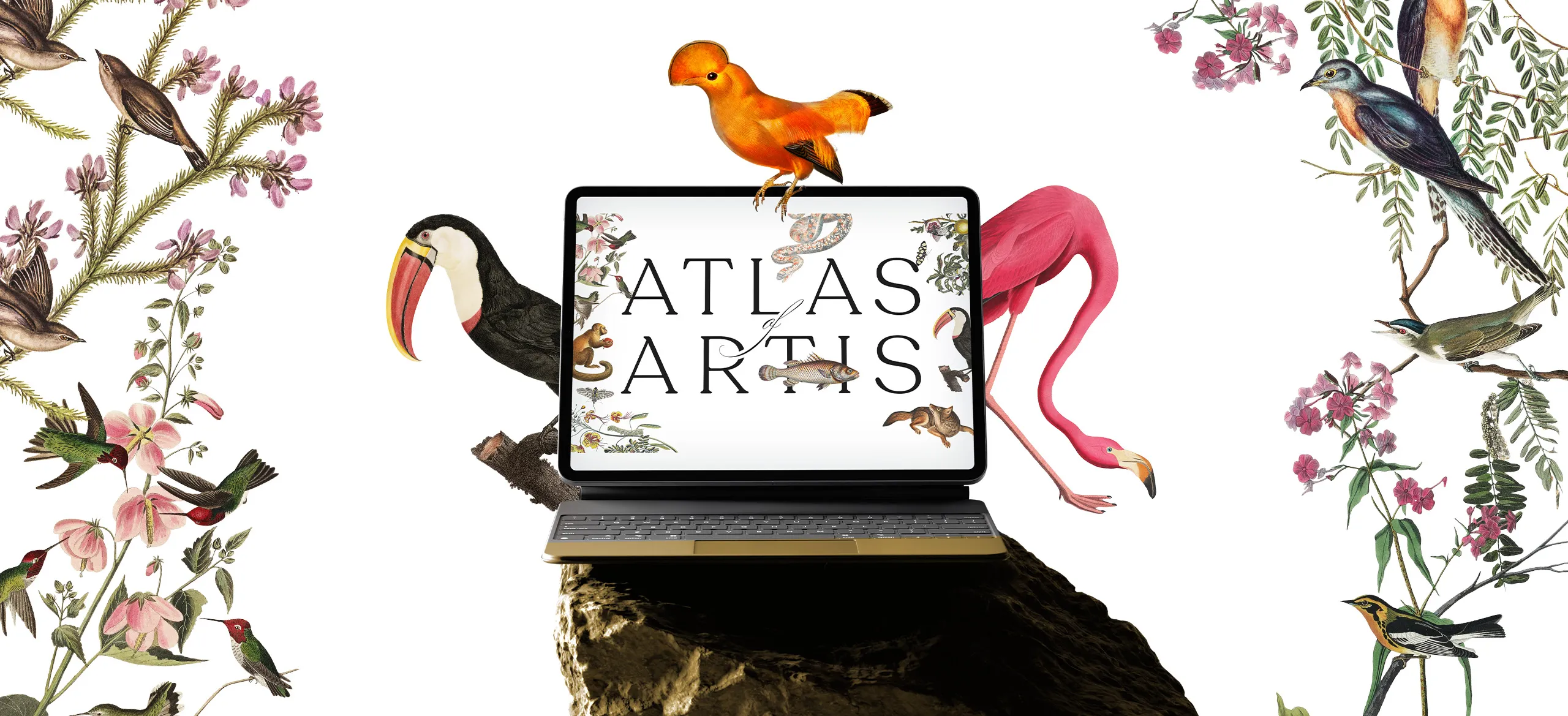
The Atlas of ARTIS is an immersive digital experience inspired by ARTIS, a unique cultural and scientific institution in Amsterdam that brings together a zoo, aquarium, planetarium, botanical gardens, and the world's only museum dedicated to microbes.

With its blend of science, art, and nature, ARTIS offers a unique challenge: how do you make learning feel like exploration? In this work I explored how to bridge the gap between ARTIS's informational website and its deeper mission as a center for nature, science, and education.

The challenge was to create a digital space that doesn't just provide visit logistics, but prepares users to engage more meaningfully with biodiversity before they even arrive.
Finding the gaps

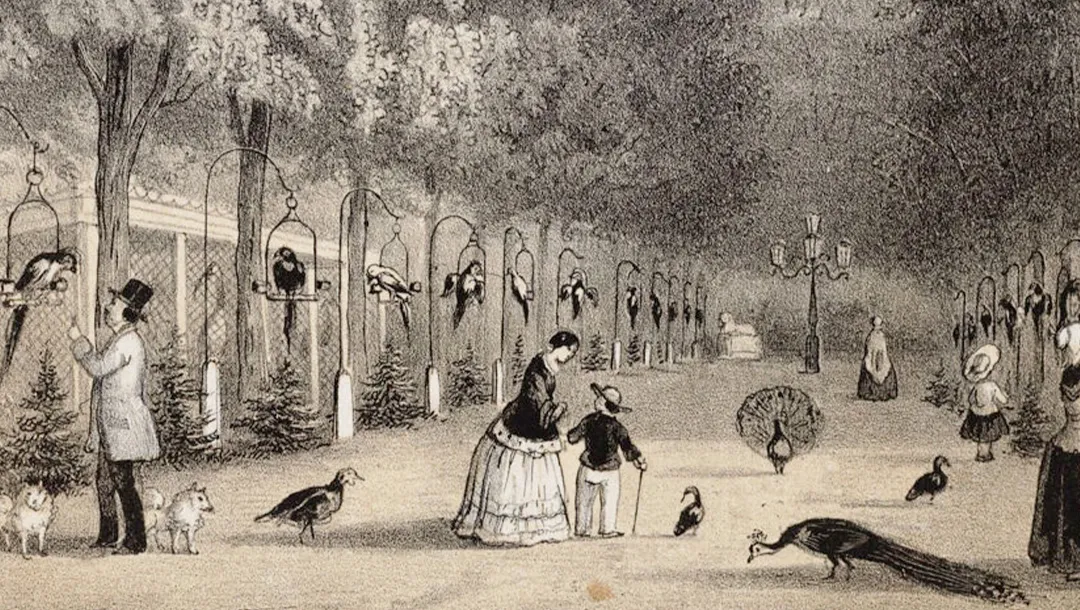
ARTIS's website handled logistics well but missed opportunities to inspire. Through scene gap analysis, I identified three areas of improvement: 1. Story: practical information without discovery. 2. Emotion: trustworthy but without curiosity. 3. Navigation: separate sections instead of one unified environment.

Finding the gaps

ARTIS's website handled logistics well but missed opportunities to inspire. Through scene gap analysis, I identified three areas of improvement: 1. Story: practical information without discovery. 2. Emotion: trustworthy but without curiosity. 3. Navigation: separate sections instead of one unified environment.

Reimagining the Interface

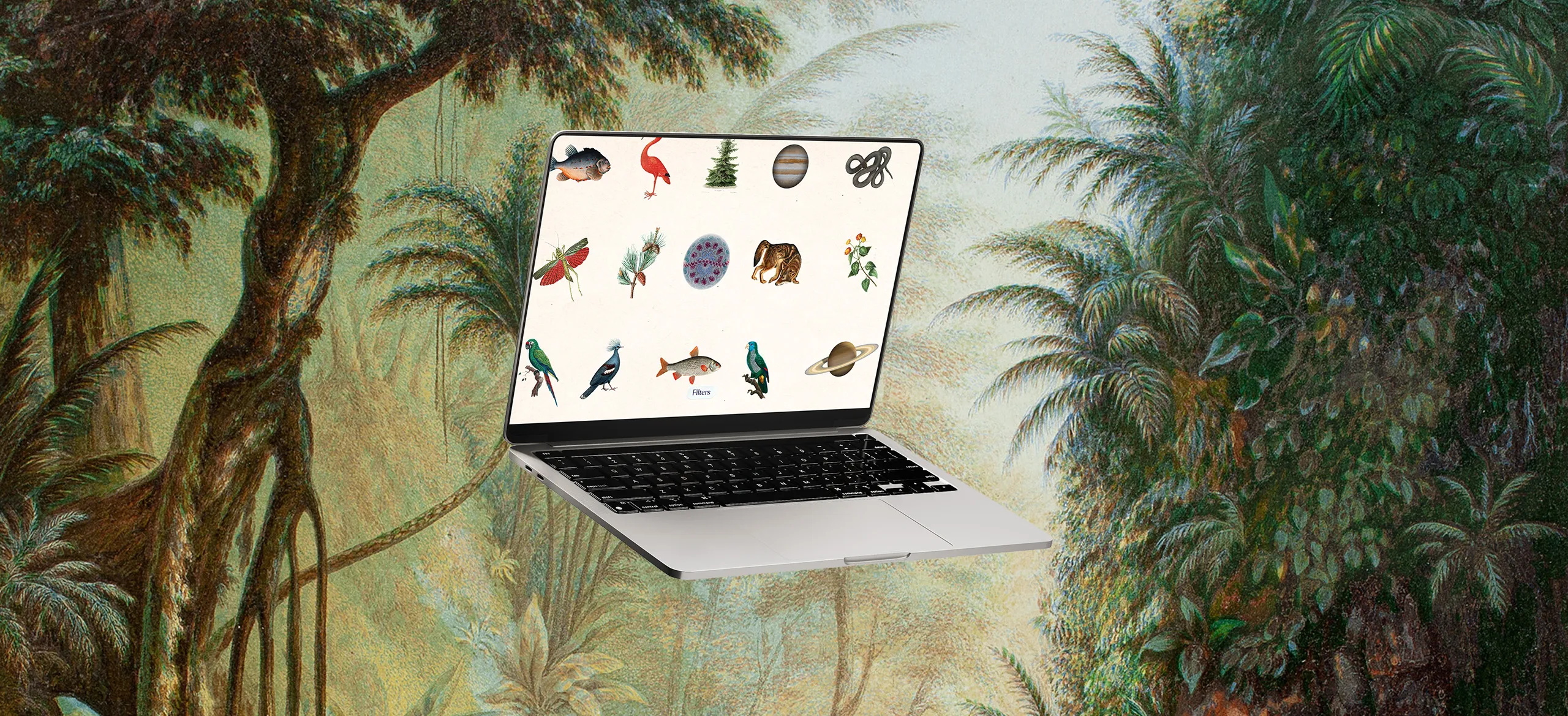
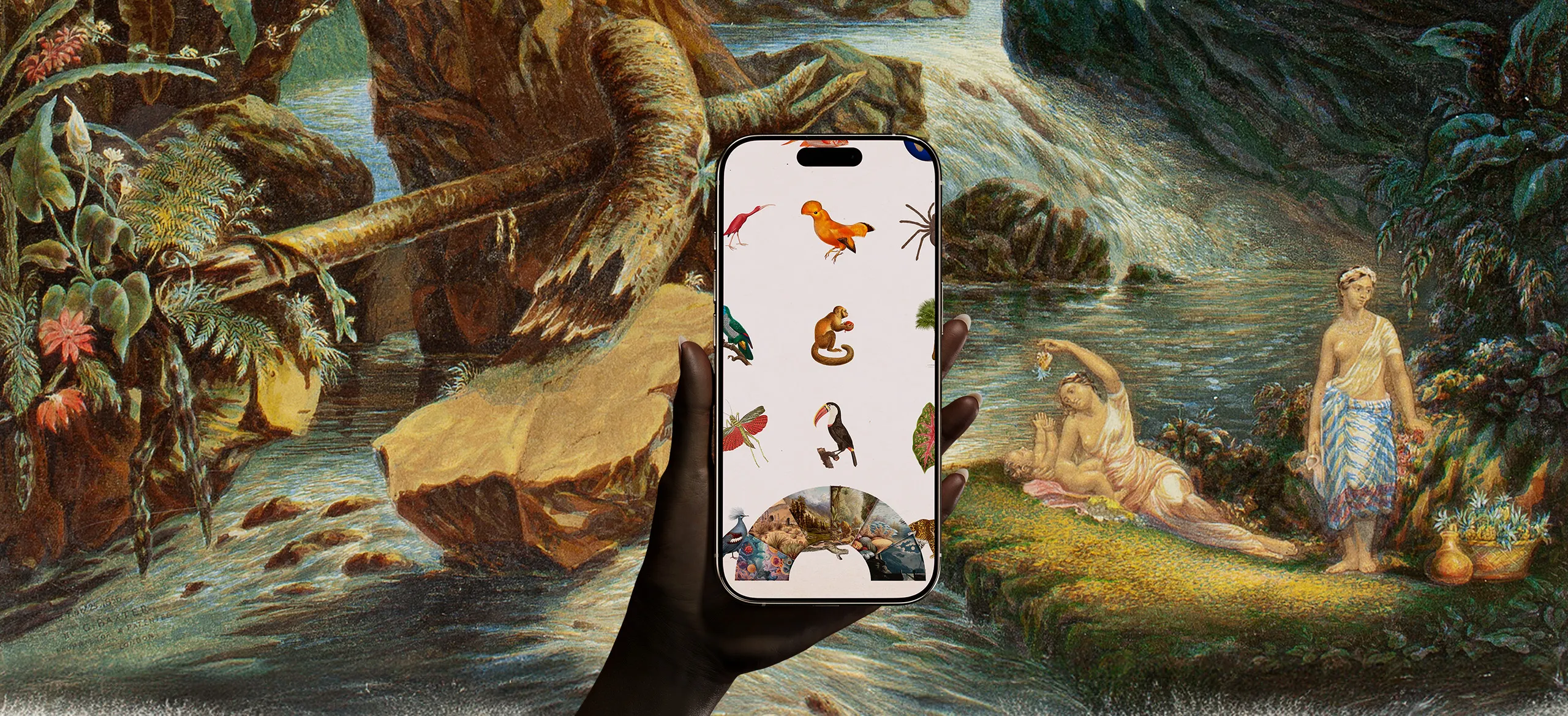
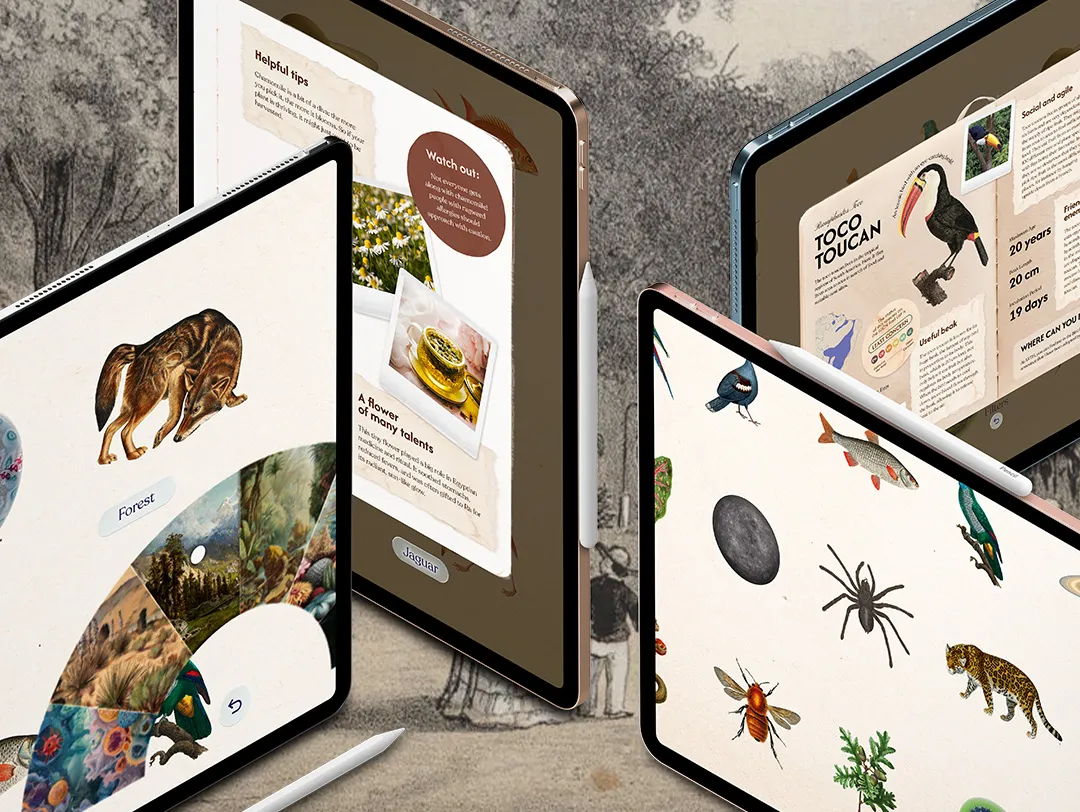
The ATLAS of ARTIS introduces a scrollable endless canvas inspired by illustrated field guides and herbariums. Vintage scientific illustrations of animals, plants, microbes, and celestial bodies found in ARTIS ecosystem replace conventional photography, creating a slower, more contemplative experience while reinforcing its identity as a historic institution.

Reimagining the Interface

The ATLAS of ARTIS introduces a scrollable endless canvas inspired by illustrated field guides and herbariums. Vintage scientific illustrations of animals, plants, microbes, and celestial bodies found in ARTIS ecosystem replace conventional photography, creating a slower, more contemplative experience while reinforcing its identity as a historic institution.

Nonlinear Navigation

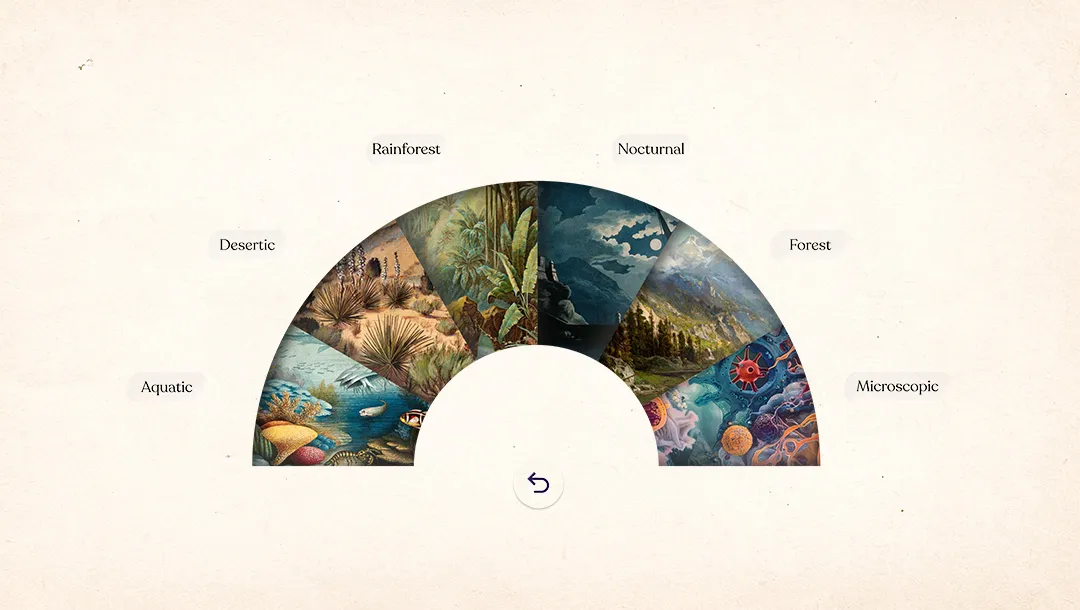
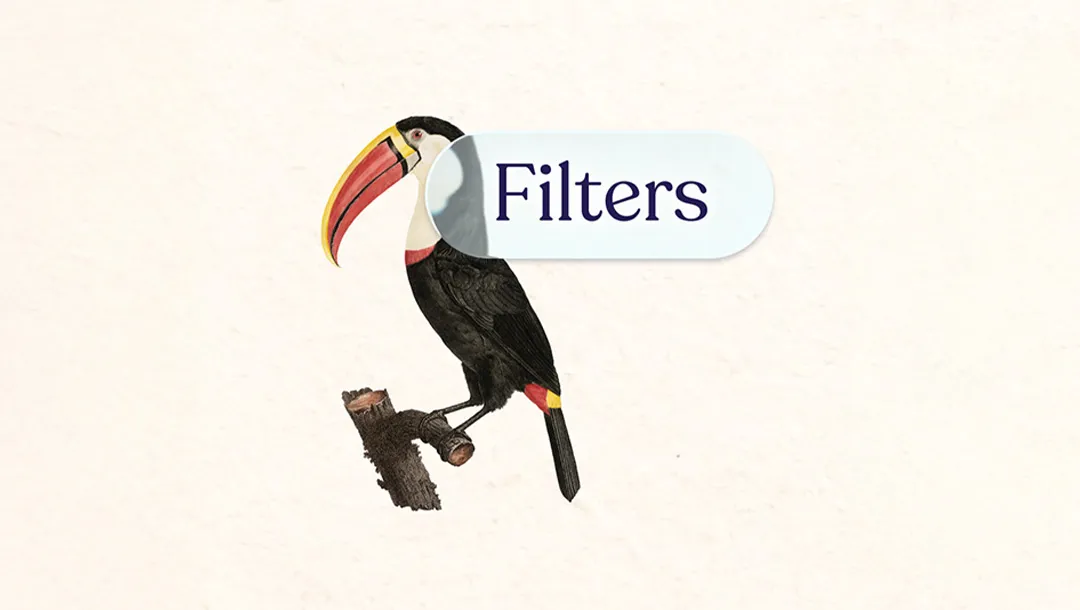
This navigation system replaces rigid structure letting users explore ARTIS more intuitively, mirroring how people interact with nature. It uses visual and contextual filters like color, size, environment, and taxonomy to morph the canvas and spotlight related illustrations.

Nonlinear Navigation

This navigation system replaces rigid structure letting users explore ARTIS more intuitively, mirroring how people interact with nature. It uses visual and contextual filters like color, size, environment, and taxonomy to morph the canvas and spotlight related illustrations.

Dynamic Notebook

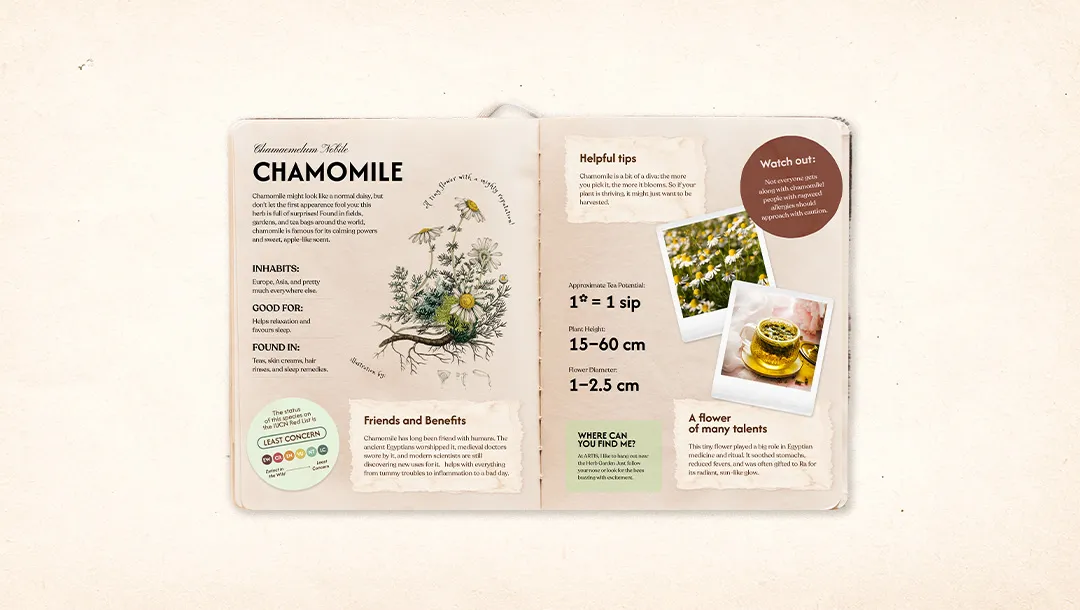
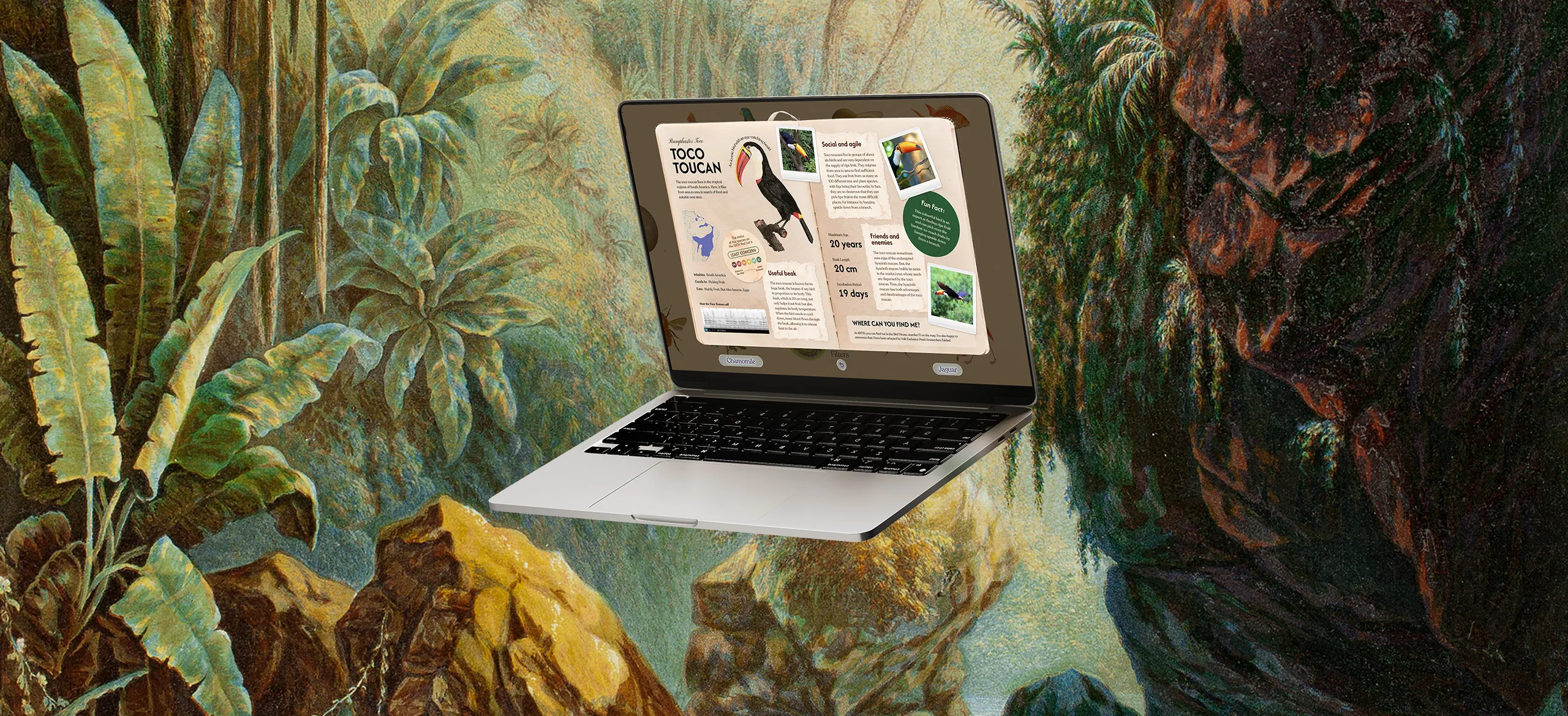
By clicking in the illustrated elements, the user is rewarded with a vintage-style popup designed like scientific journals, featuring facts, sketches, sound clips, videos and real locations within ARTIS.

Dynamic Notebook

By clicking in the illustrated elements, the user is rewarded with a vintage-style popup designed like scientific journals, featuring facts, sketches, sound clips, videos and real locations within ARTIS.

Takeaways

This project taught me how visual storytelling can make scientific content more engaging and memorable. The trickiest part was balancing scientific accuracy with playful accessibility, and creating layered interactivity without overwhelming users. With more time, I would explore micro-interactions, extend the illustration library, and better support for mobile. It’d also be great to explore accessibility features so even more people can enjoy and learn from the experience.

This project taught me how visual storytelling can make scientific content more engaging and memorable. The trickiest part was balancing scientific accuracy with playful accessibility, and creating layered interactivity without overwhelming users. With more time, I would explore micro-interactions, extend the illustration library, and better support for mobile. It’d also be great to explore accessibility features so even more people can enjoy and learn from the experience.

Based in Amsterdam, available worldwide

Based in Amsterdam,
available worldwide

Based in Amsterdam, available worldwide